As part of the retrospective exhibition Andreja Kulunčić: To Make the World a Better Place
15 May – 12 October 2025
Museum of Contemporary Art Zagreb
Avenija Dubrovnik 17, Zagreb
Exhibition Curator: Martina Munivrana
Project Curators: Irena Bekić and Anca Verona Mihuleț
Project Collaborators: Renata Jambrešić Kirin, anthropologist, and Dubravka Stijačić, psychotherapist
Visual artist Andreja Kulunčić, whose work represents one of the key bodies of socially engaged artistic practice in Croatia, presents herself for the first time through a comprehensive solo exhibition offering an overview of her work from the 1990s to the present day. The exhibition is grounded in research and analysis of the potential of contemporary socially engaged visual art practices to transform existing social conditions, reflecting the artist’s assertion that socially engaged art can indeed make the world a better place.
In her artistic practice, Andreja Kulunčić draws attention to social injustices—identifying them, investigating their causes, and questioning possible forms of resistance. Her art is not merely a reflection of reality, but also a tool for change, encouraging audiences to engage in critical thinking and active participation.
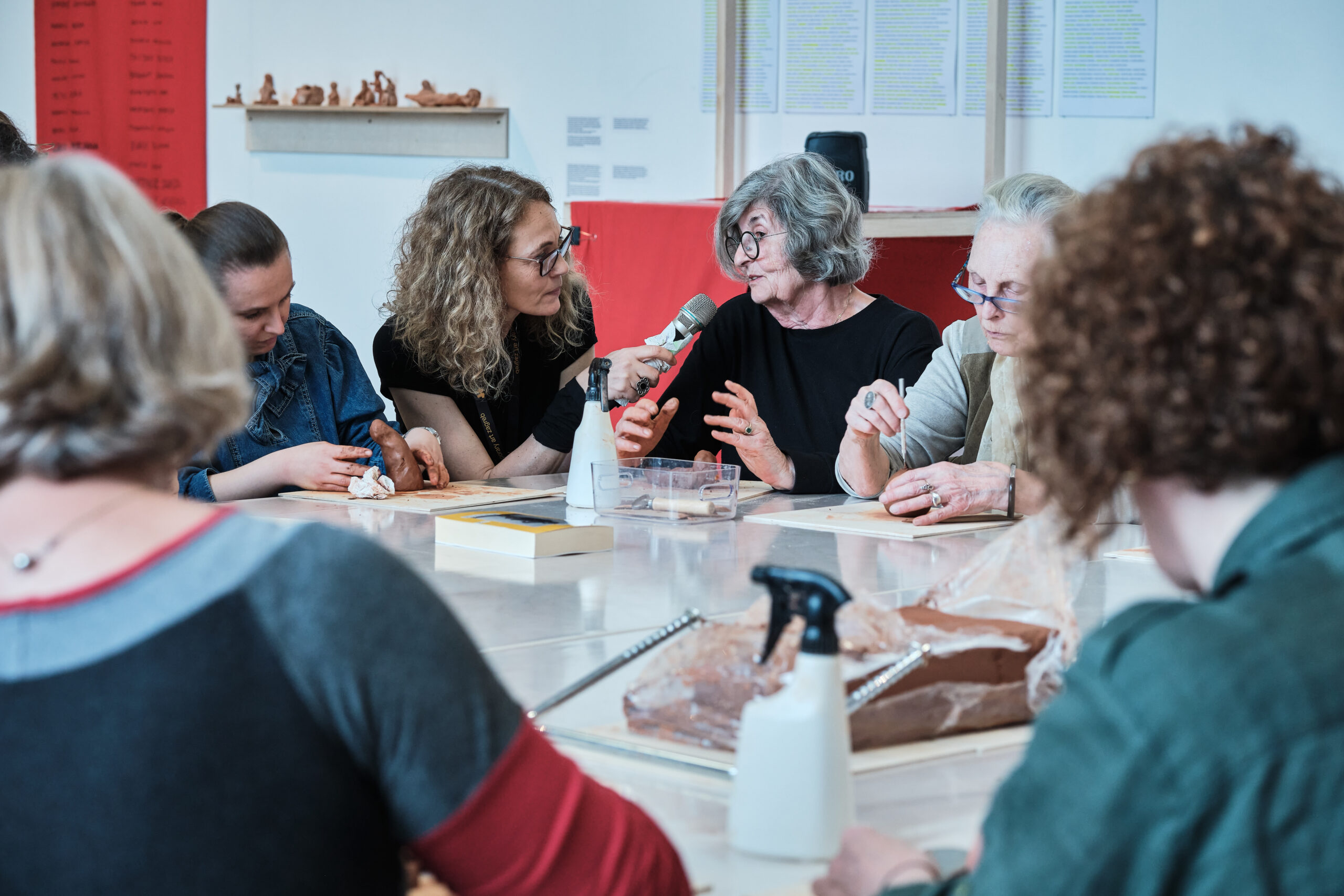
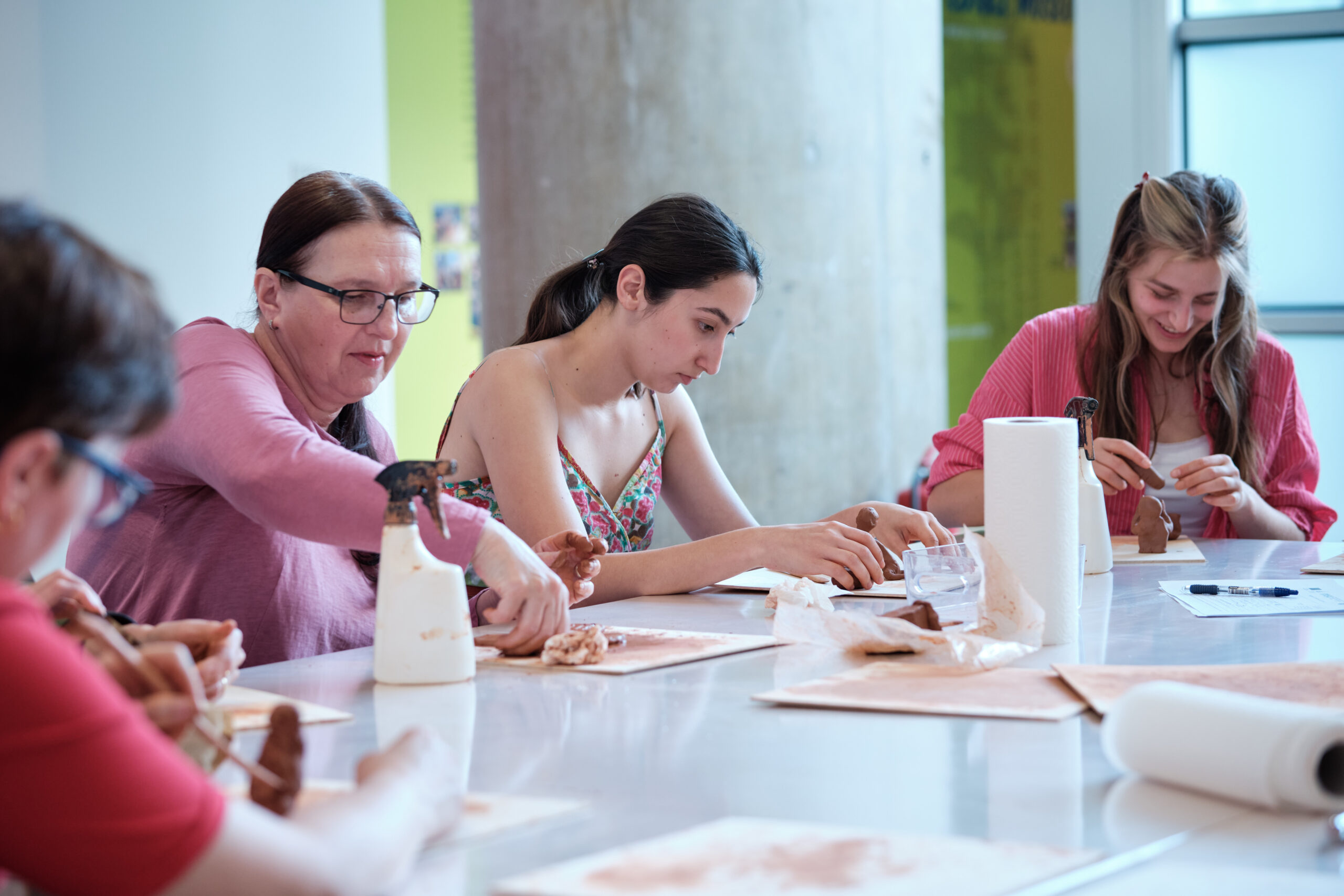
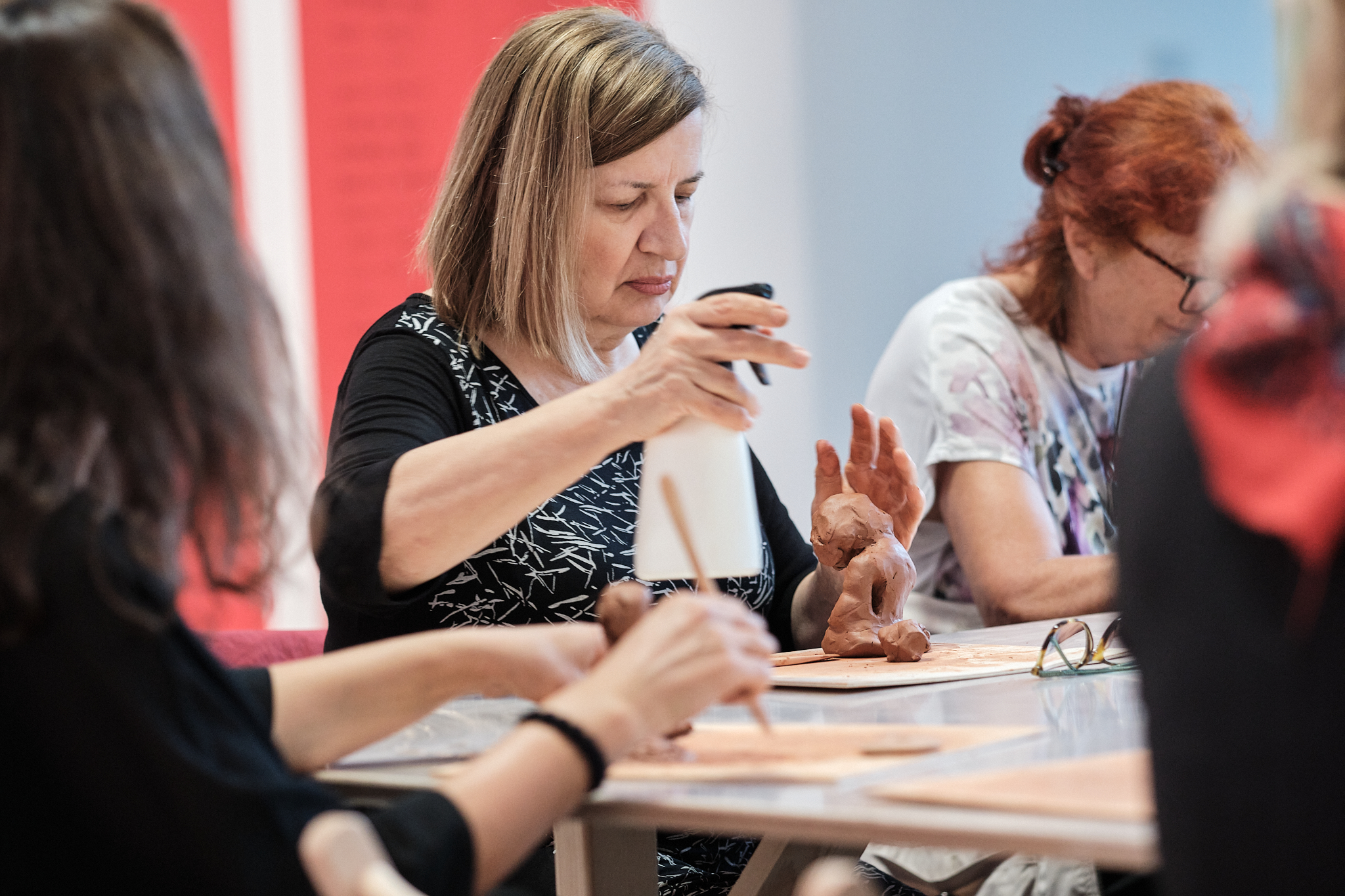
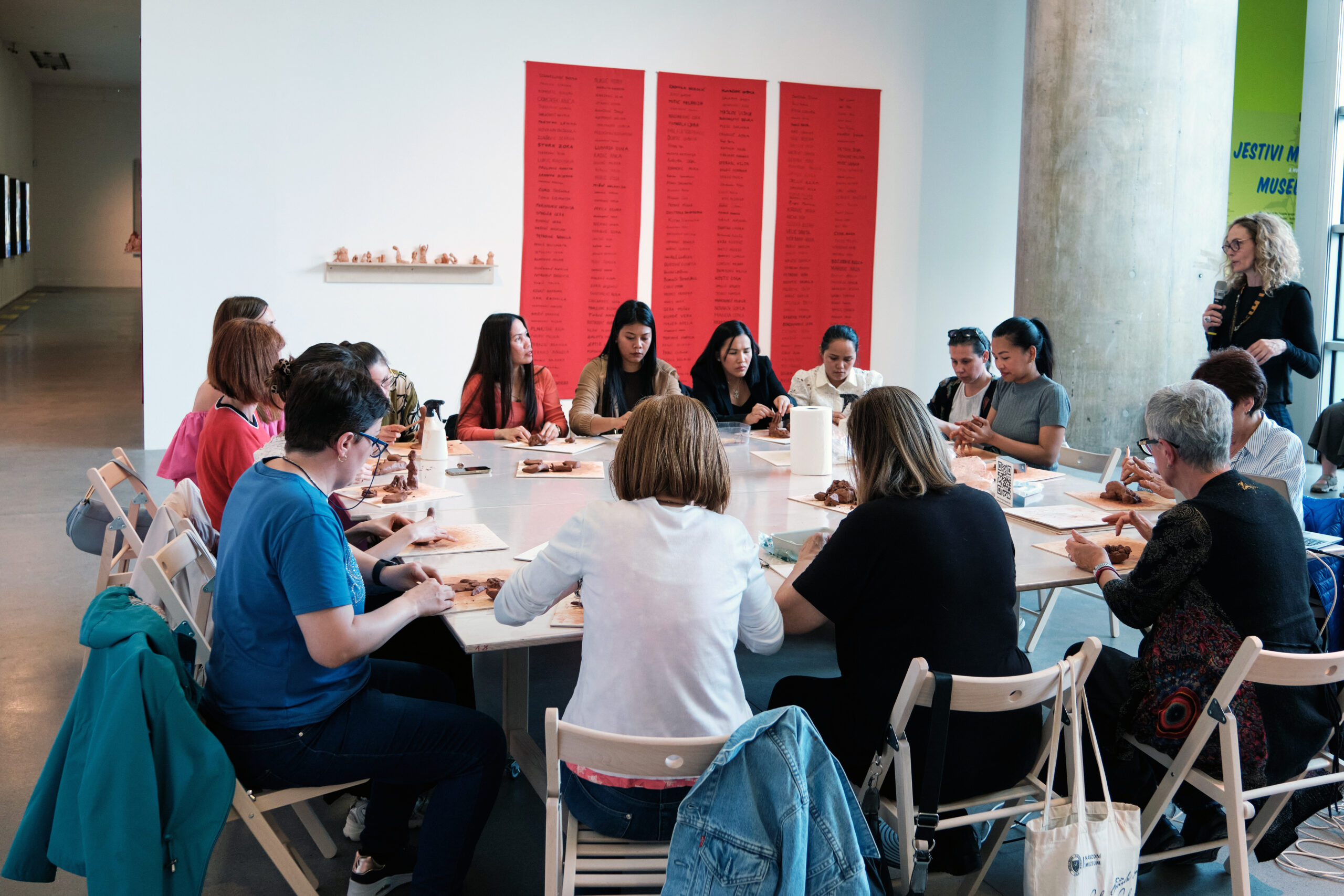
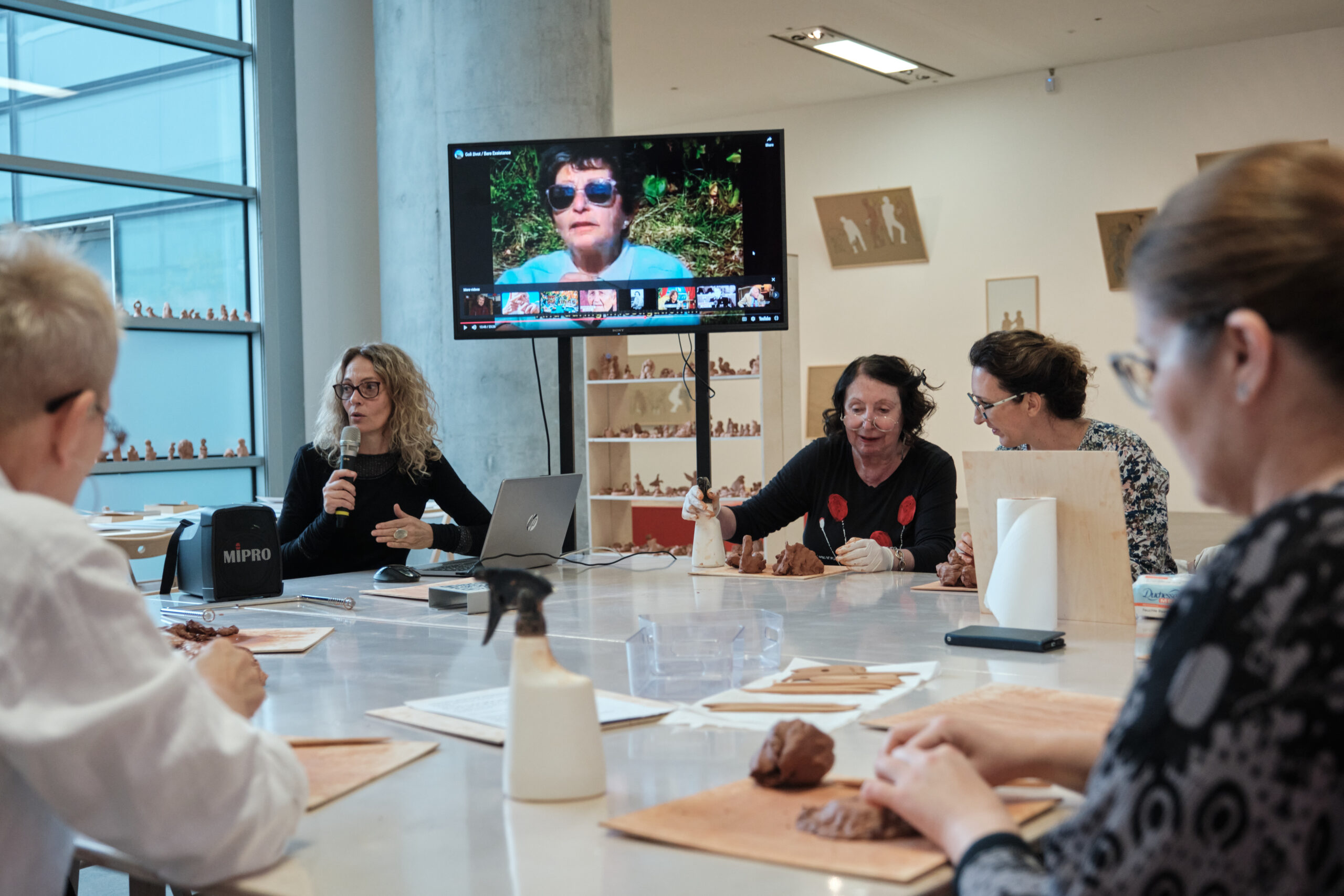
Drawing on three decades of artistic work, the exhibition focuses on themes such as feminism, migration, labour rights, gender equality, integration, and cultural diversity. Educational workshops and discussions related to the exhibition enable visitors to actively participate, fostering critical reflection and engagement with key social issues. Intercultural collaboration is another important aspect of the exhibition programme. Activities that connect migrant workers with the local community promote inclusivity and openness, positioning the Museum as a space accessible to all social groups.
More information about the exhibition: https://www.andreja.info/en/exhibitions/to-make-the-world-a-better-place-a-retrospective-exhibition-at-the-msu-zagreb/
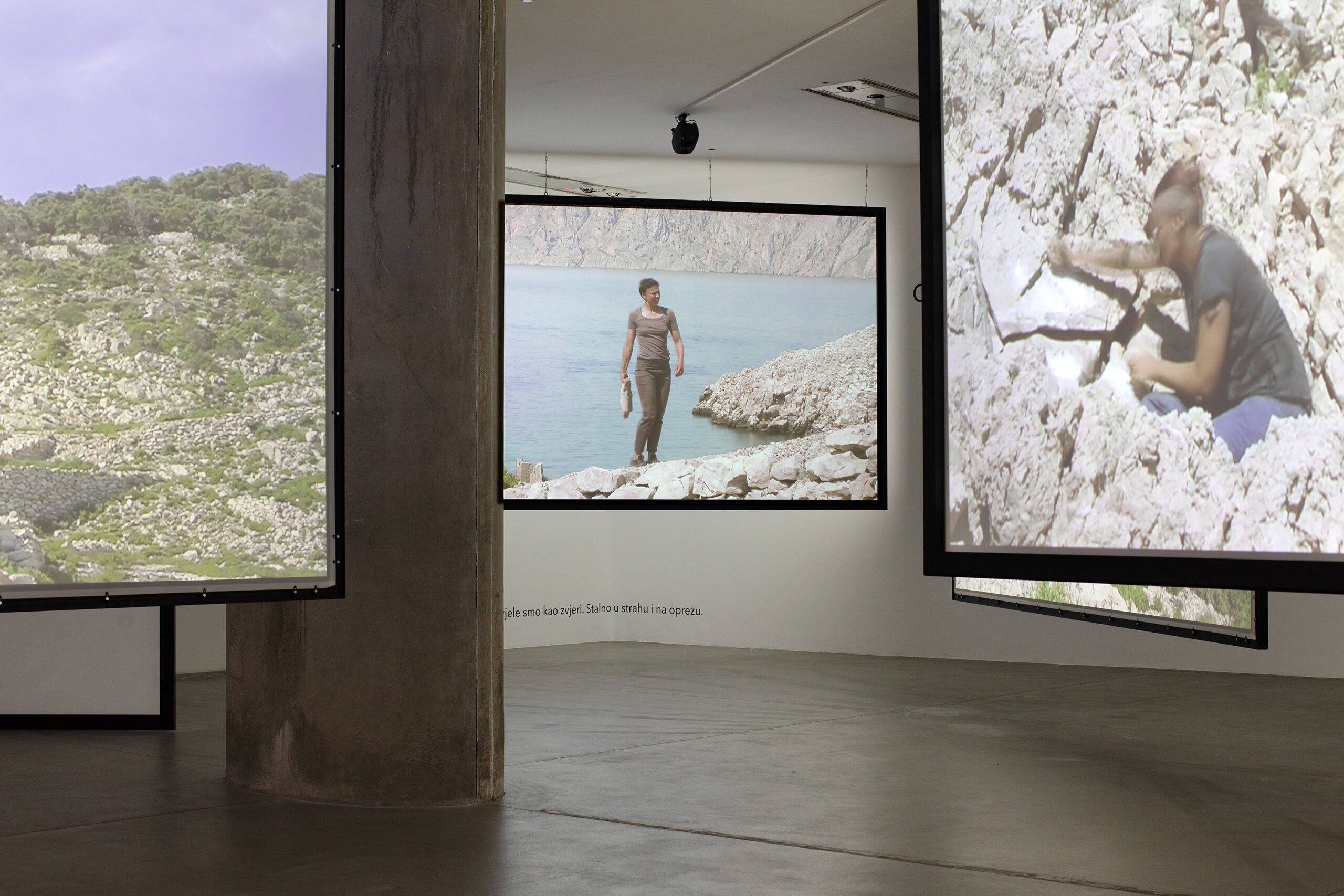
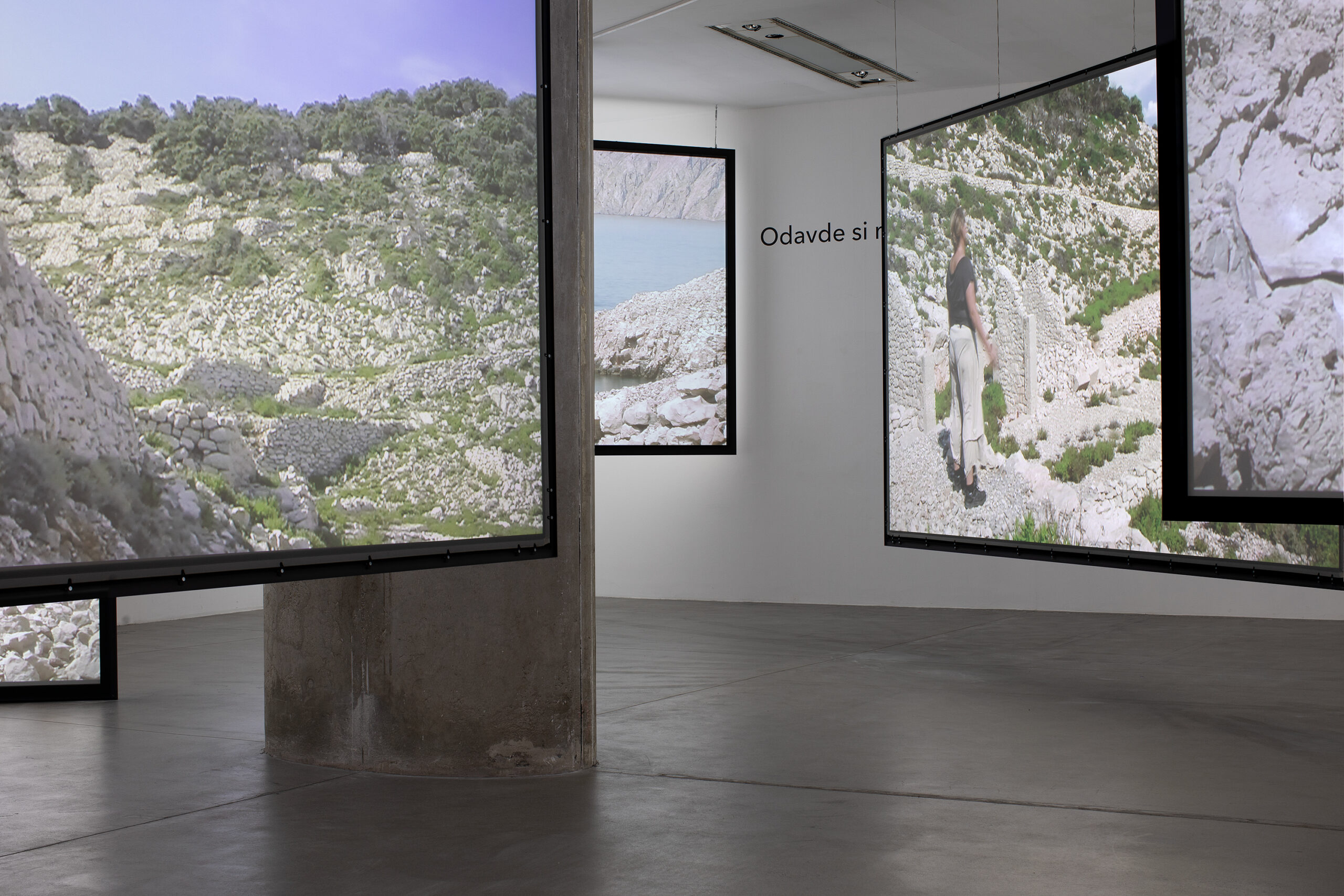
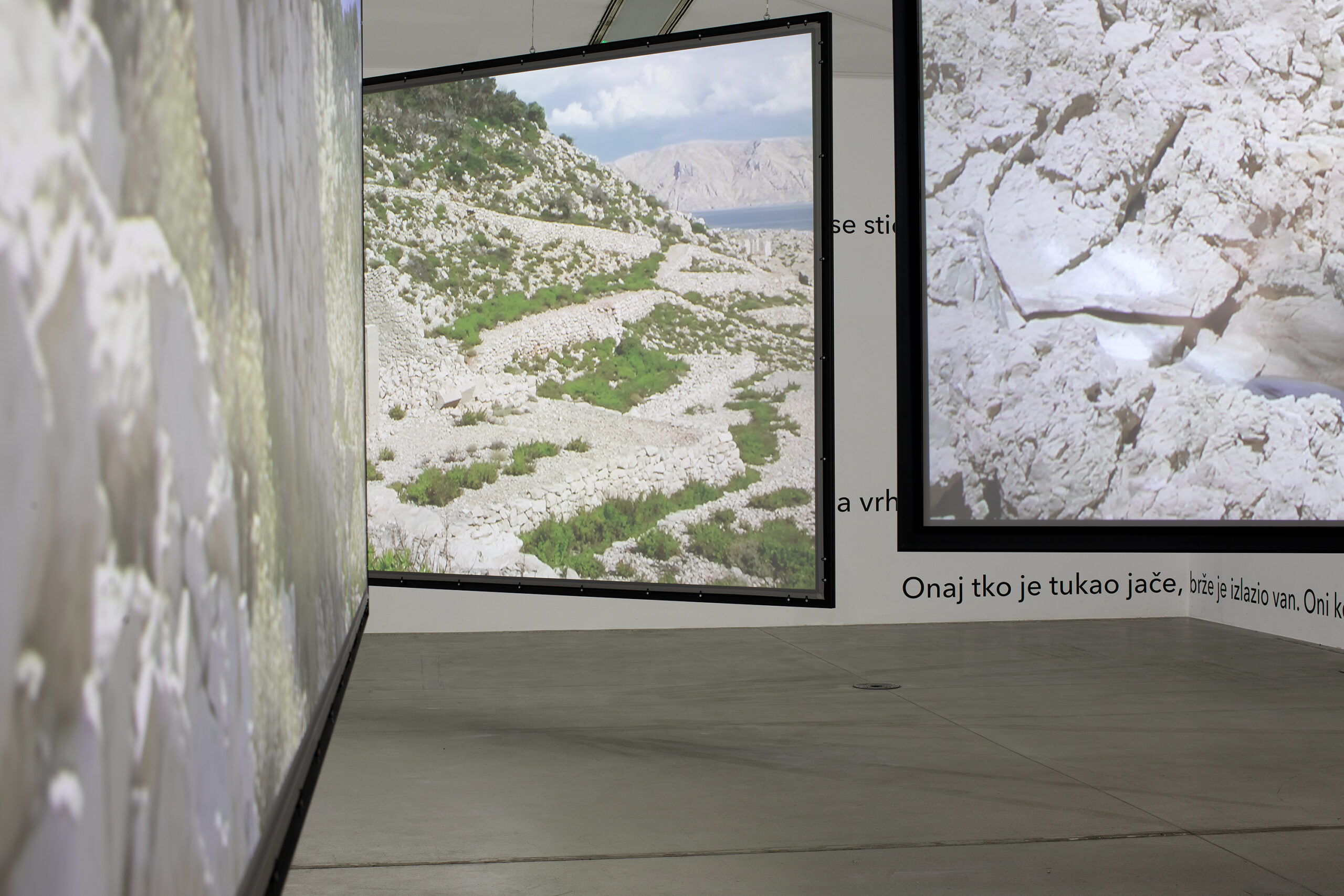
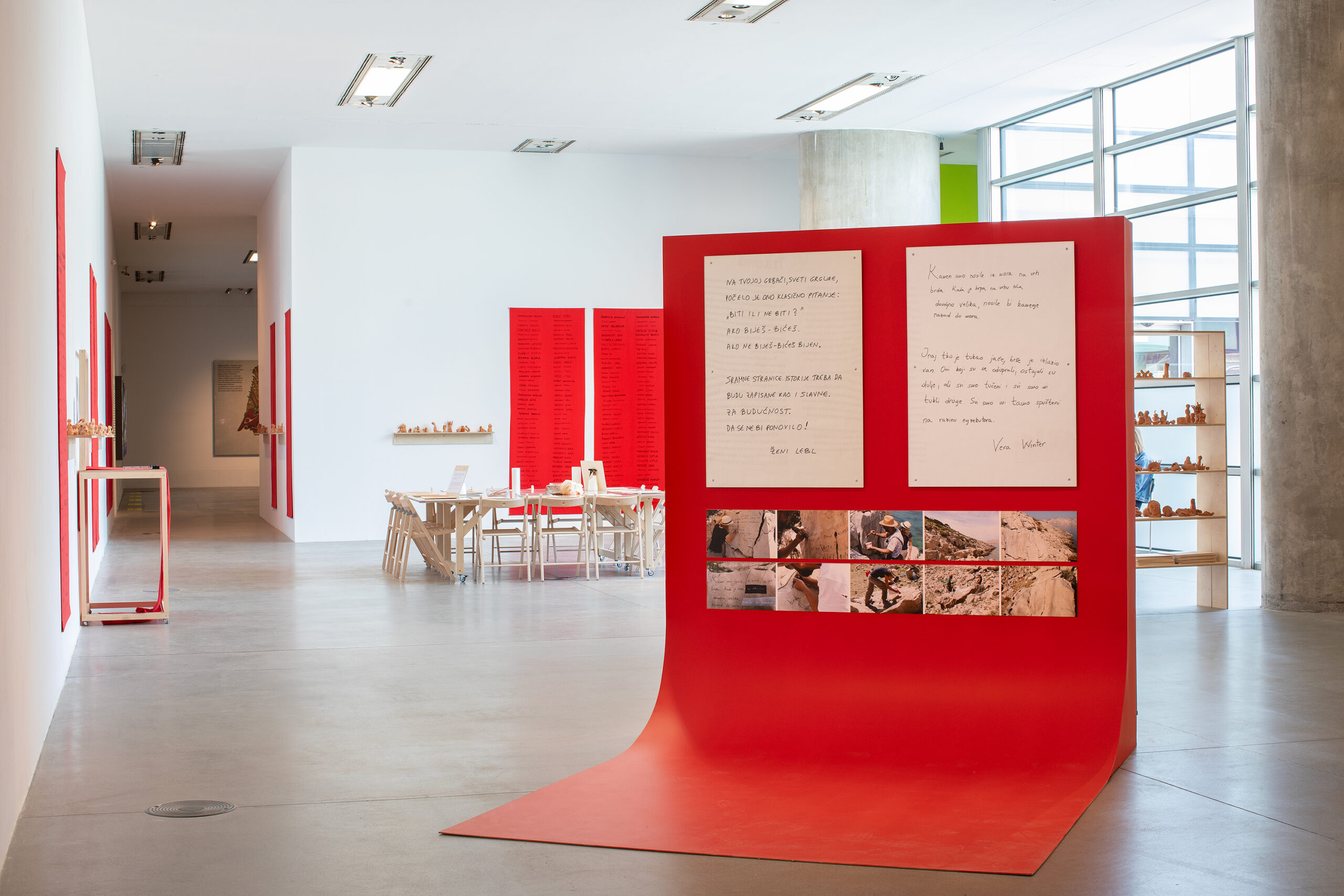
The project “You Betrayed the Party…” forms the central part of the exhibition. At the core of this artistic-research project is the activation of memory related to the suffering of more than 850 women imprisoned in political prison camps for women on the islands of Goli Otok and Sveti Grgur. The camp regime systematically endangered women’s reproductive health, undermined their sense of ethical responsibility and care for others, and erased their gender-specific experiences. Prisoners were forced to punish, supervise, and interrogate one another, which—together with forced labour—resulted in profound trauma and decades of silence.
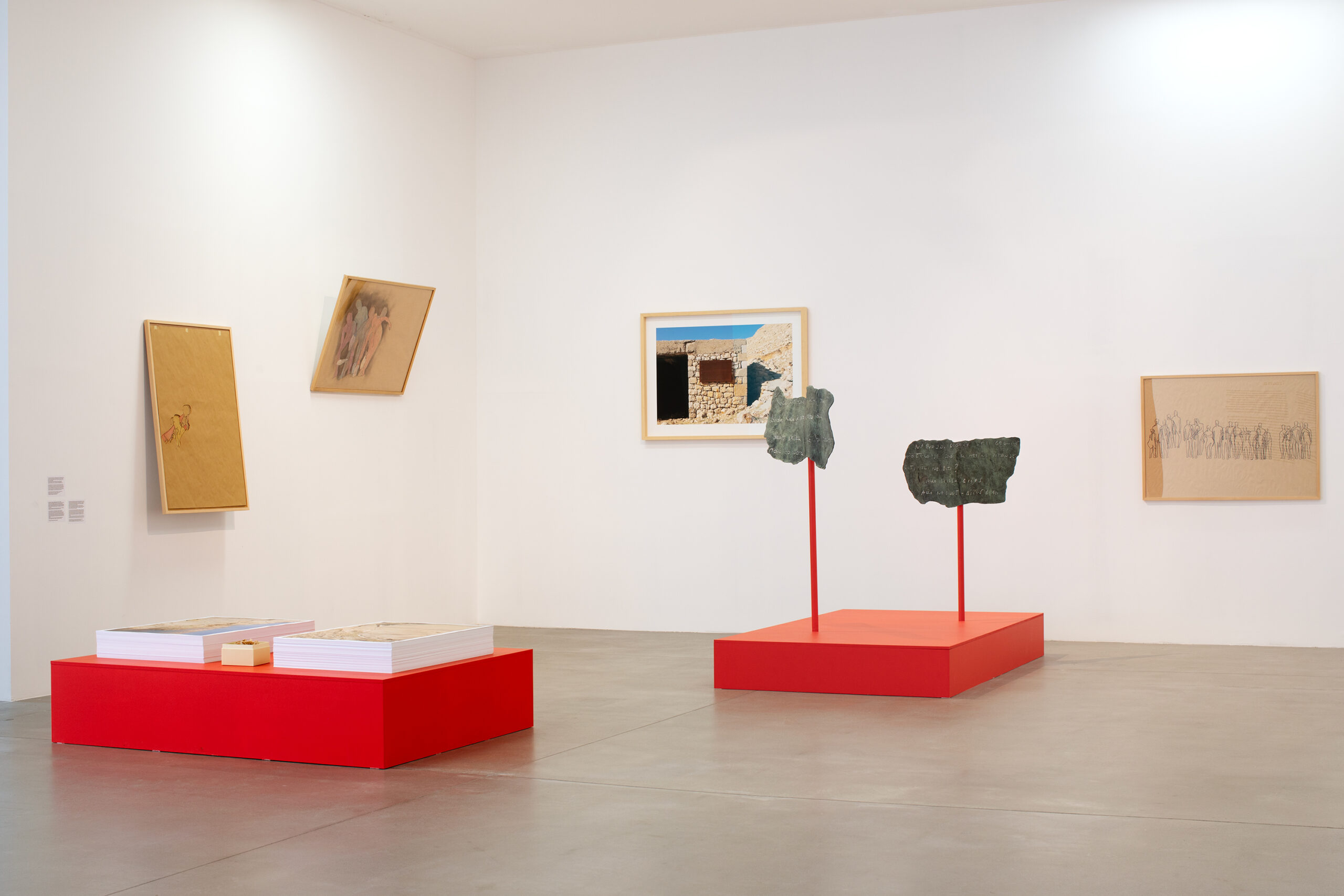
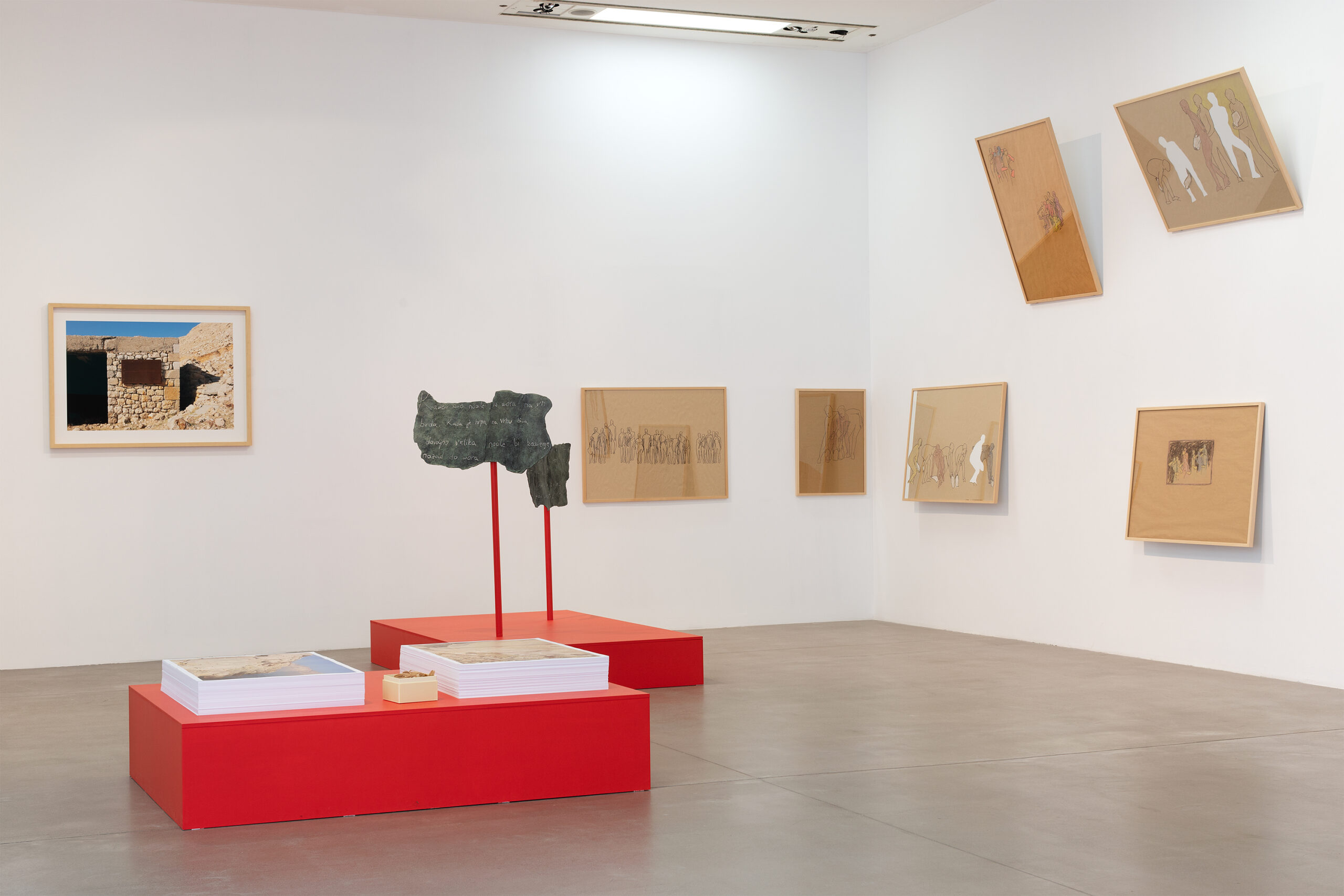
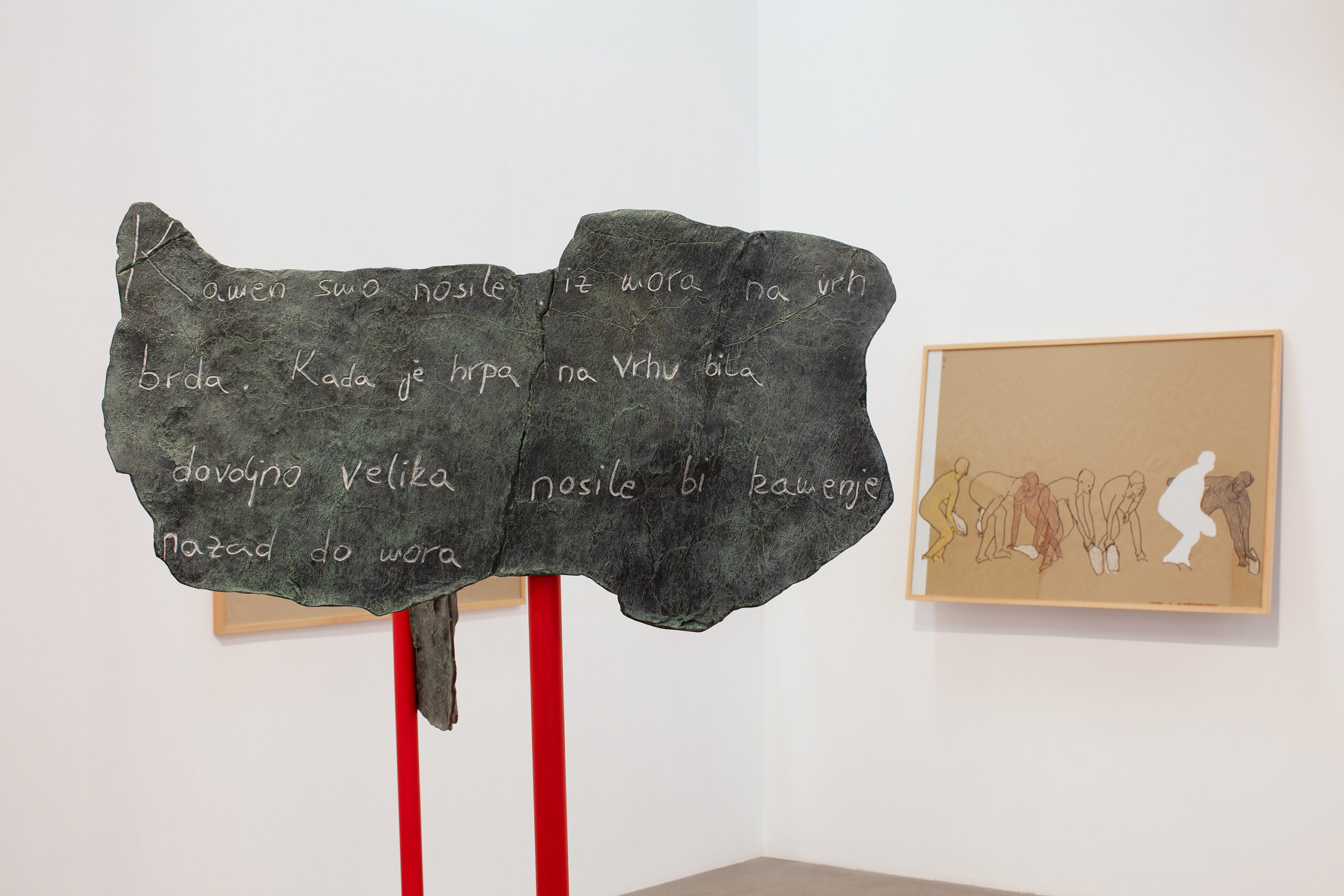
Through spatial artistic interventions at the sites of Goli Otok and Sveti Grgur, exhibitions, a website, publications, and a series of workshops and discussions, the project deconstructs the deliberate amnesia surrounding the women’s history of Goli Otok and opens a pathway to remembrance. It employs a subversive commemorative form—the anti-monument—which does not impose memory, but seeks it through an ongoing interplay of contested memories and the knowledge and emotions of the audience.
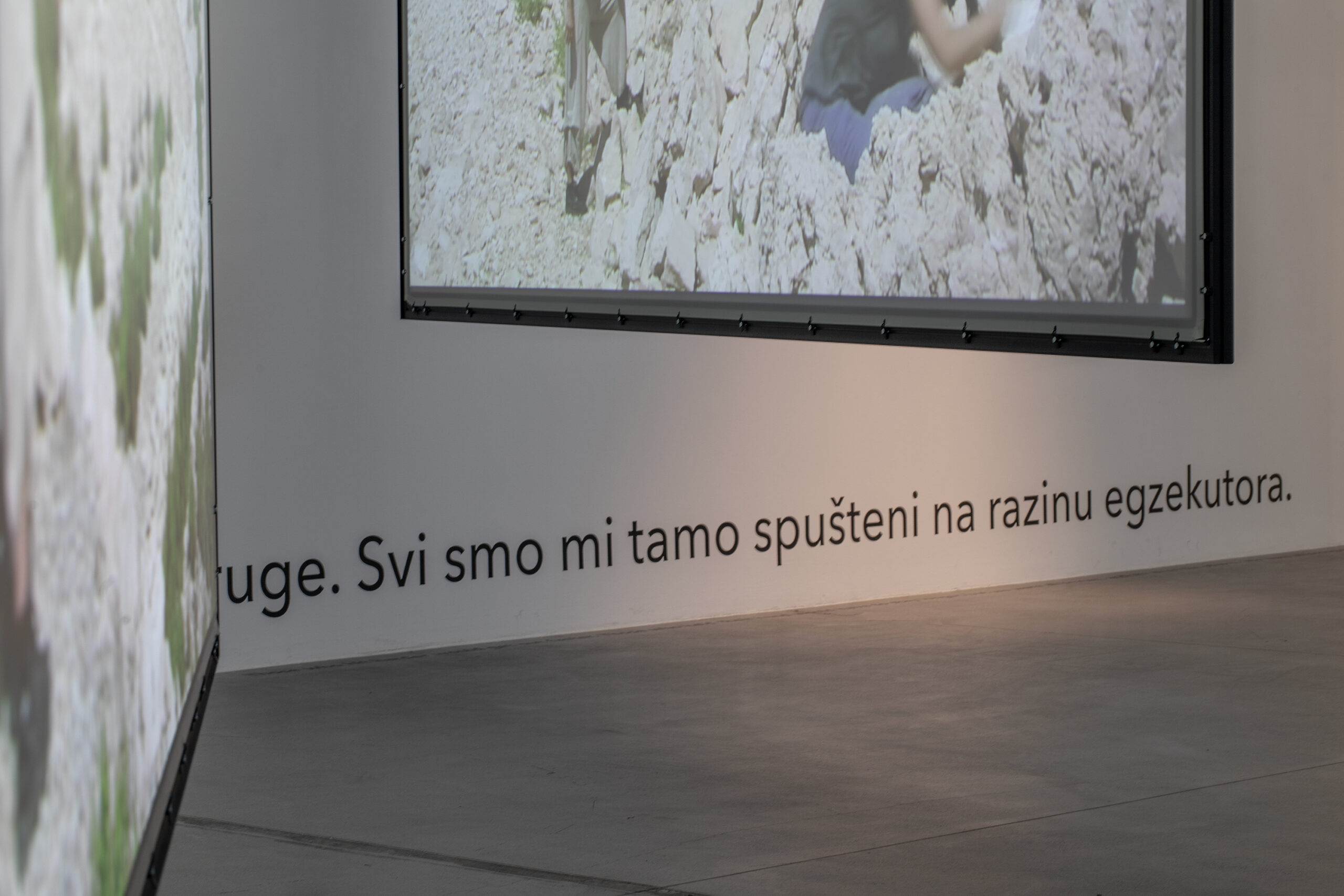
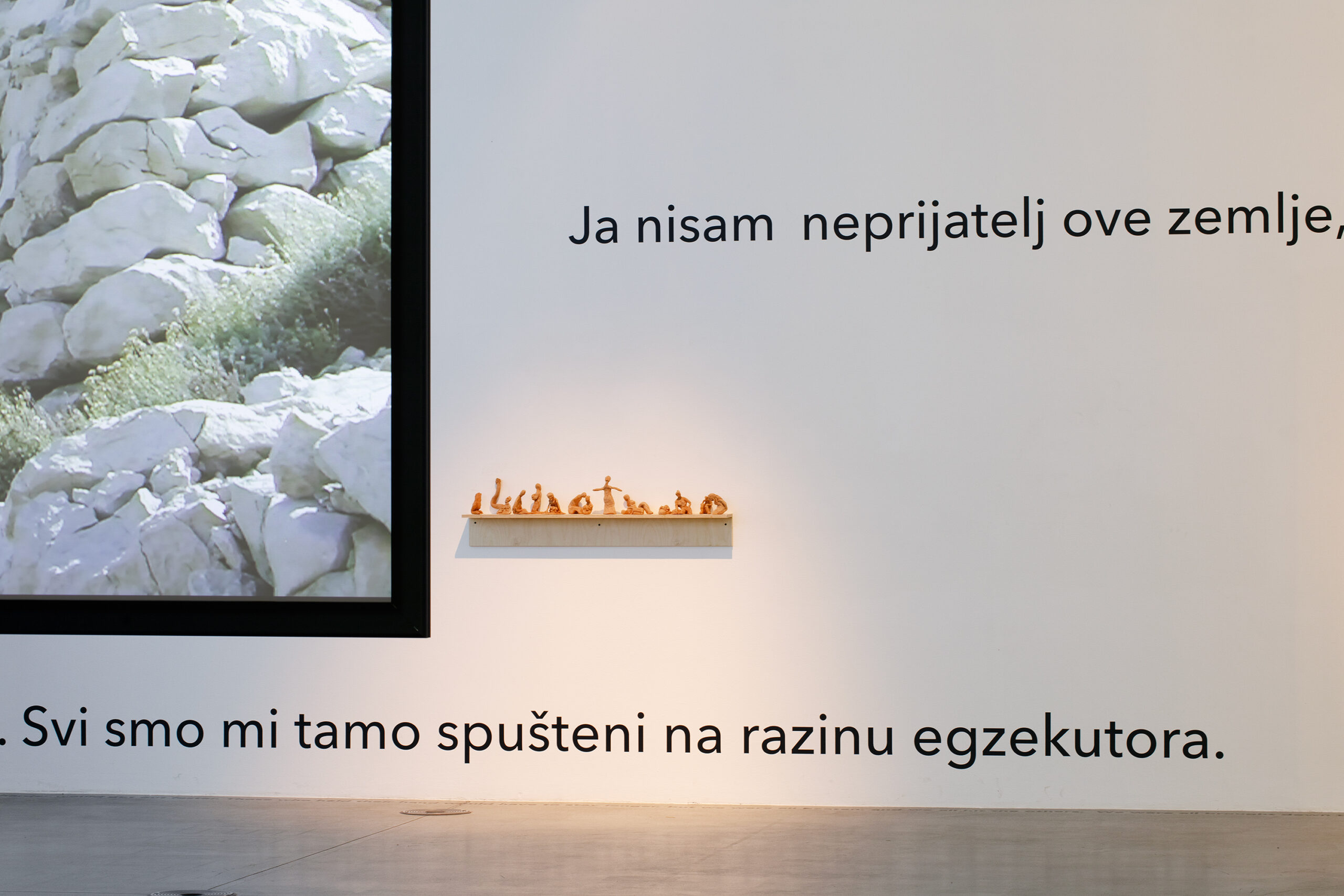
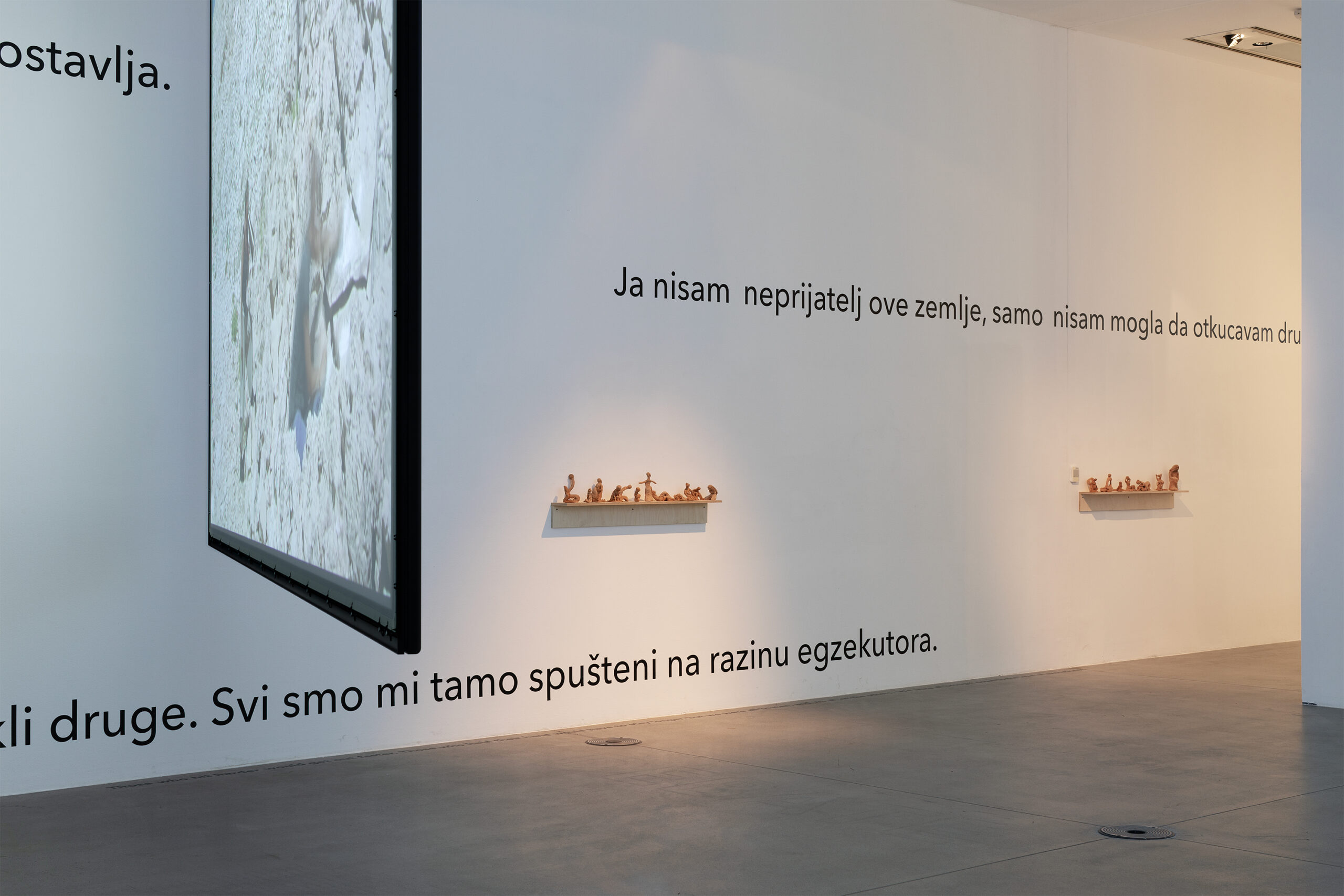
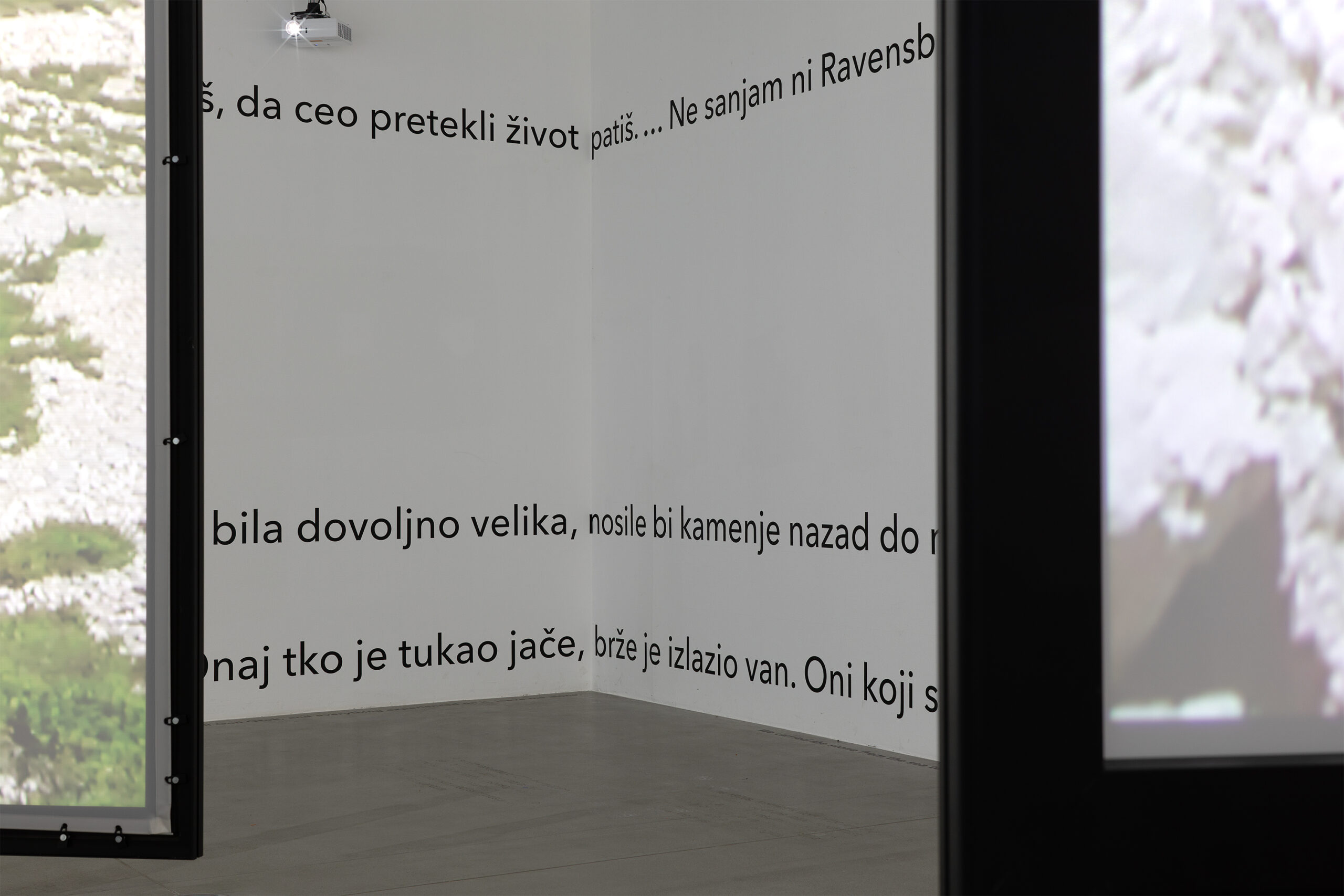
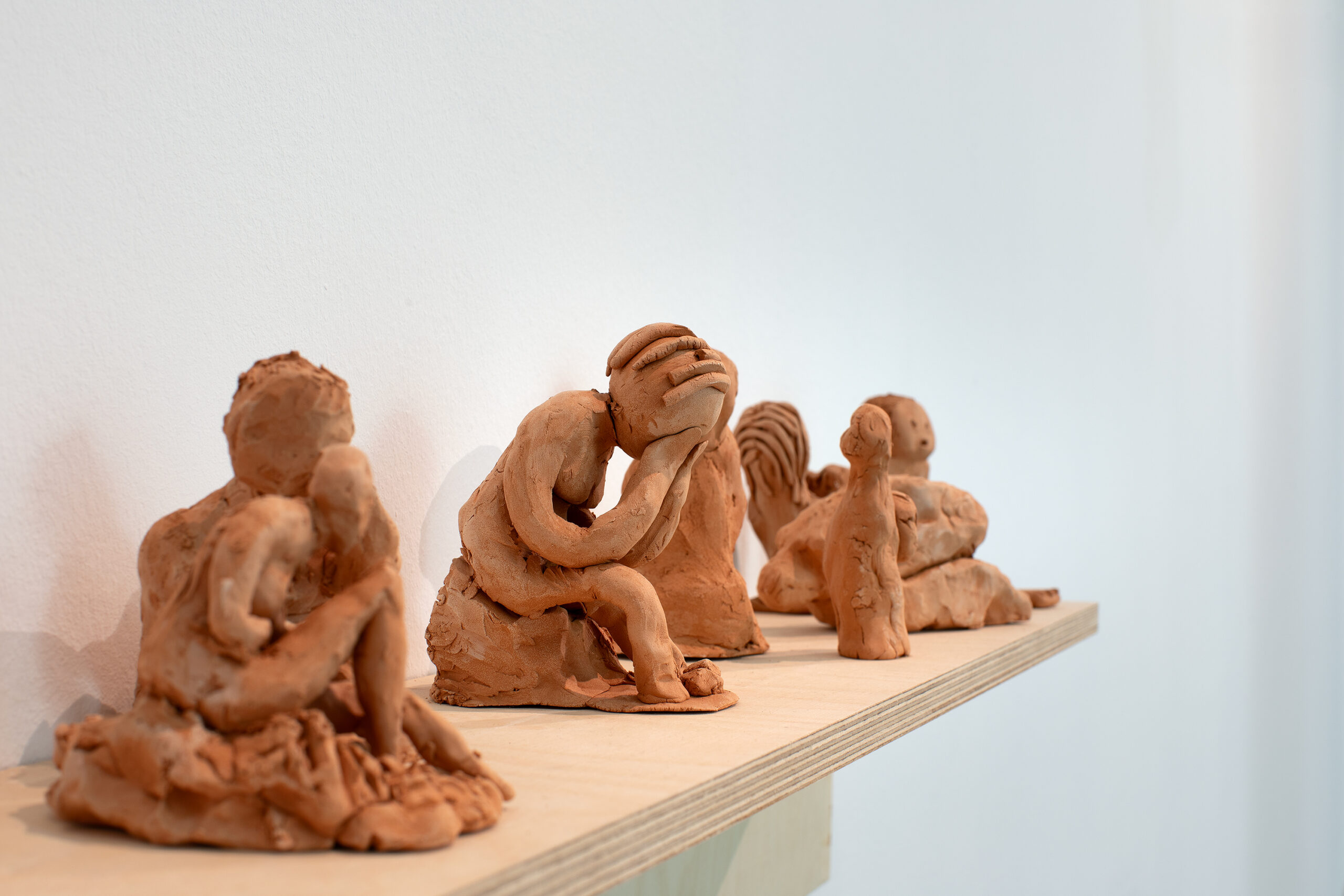
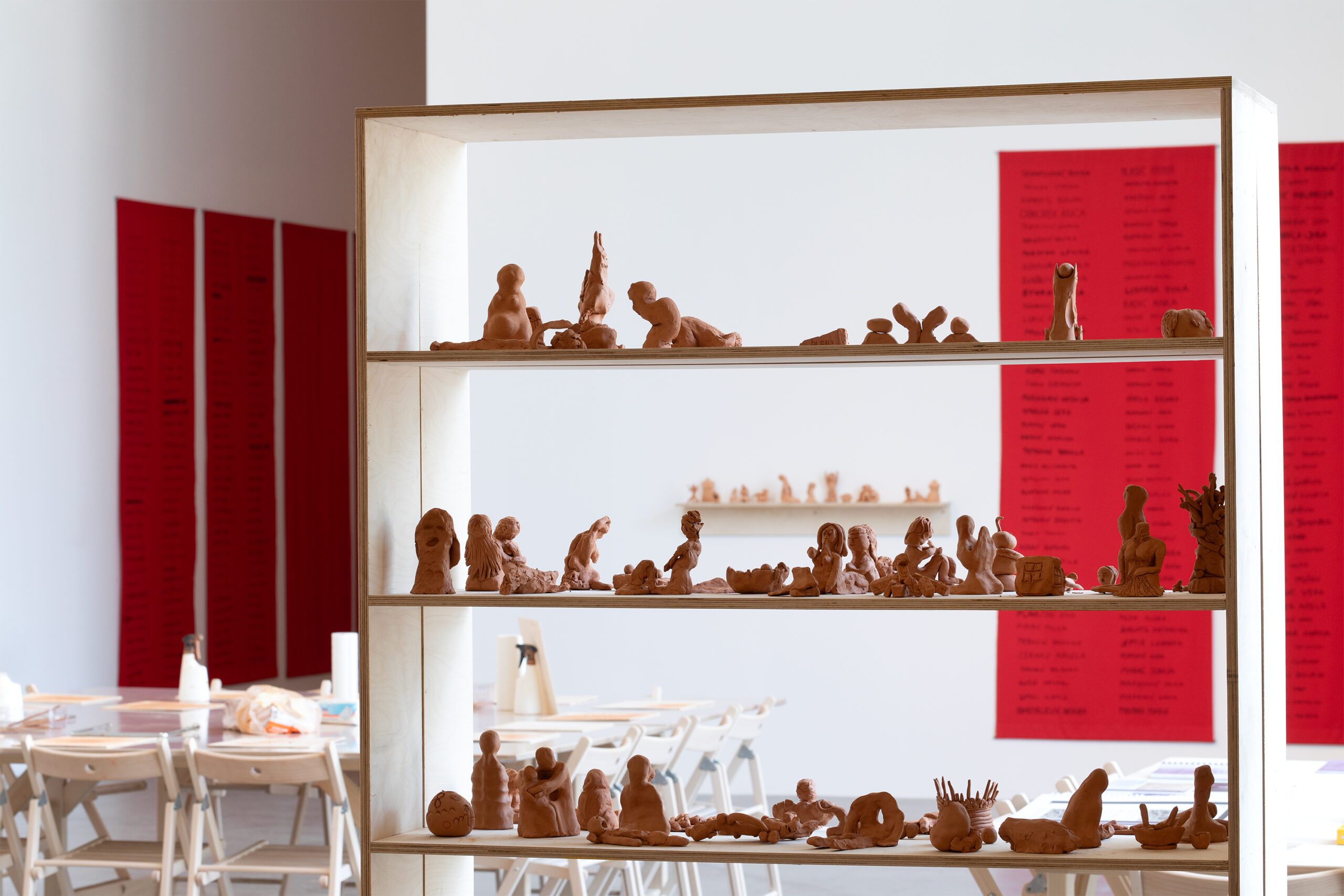
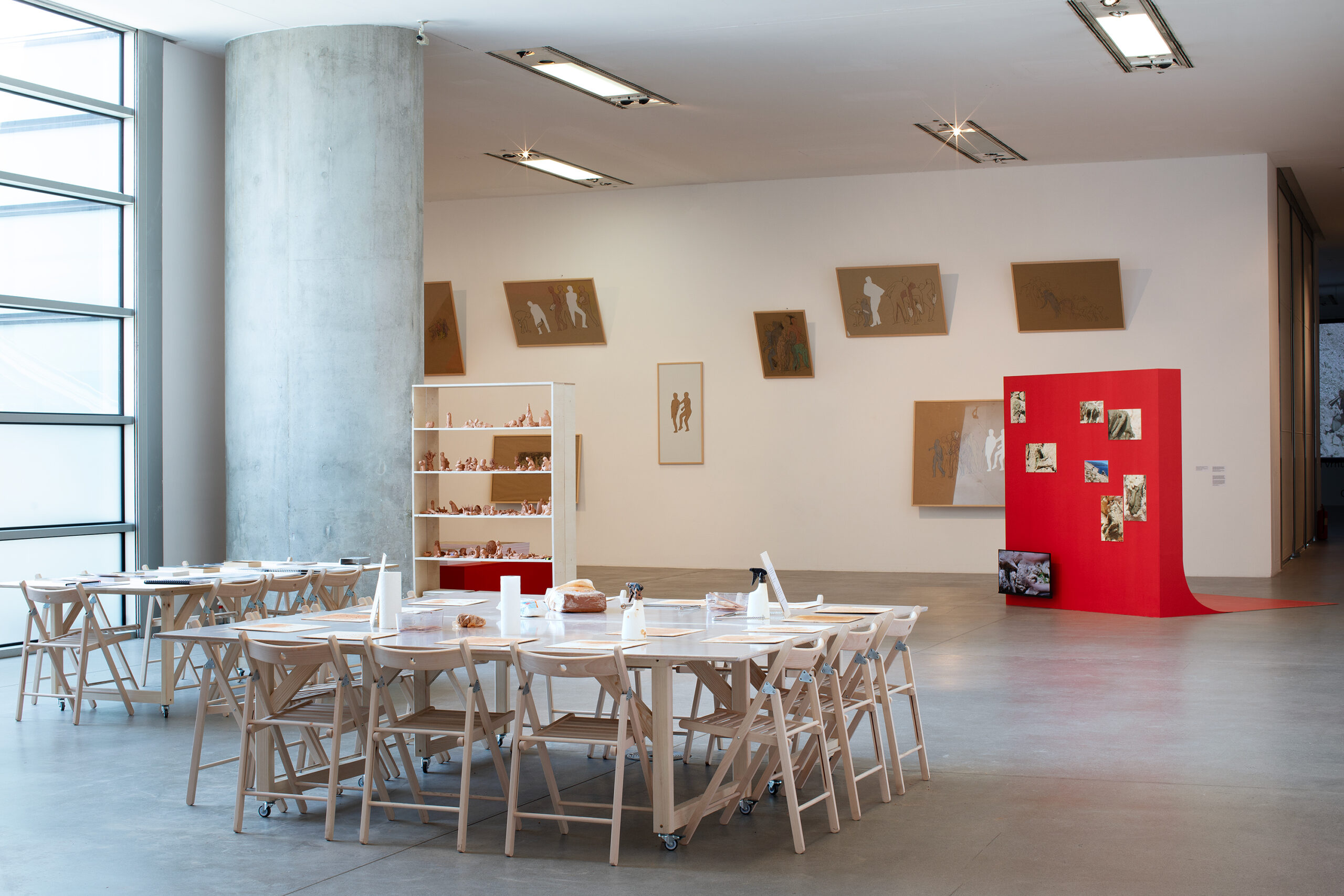
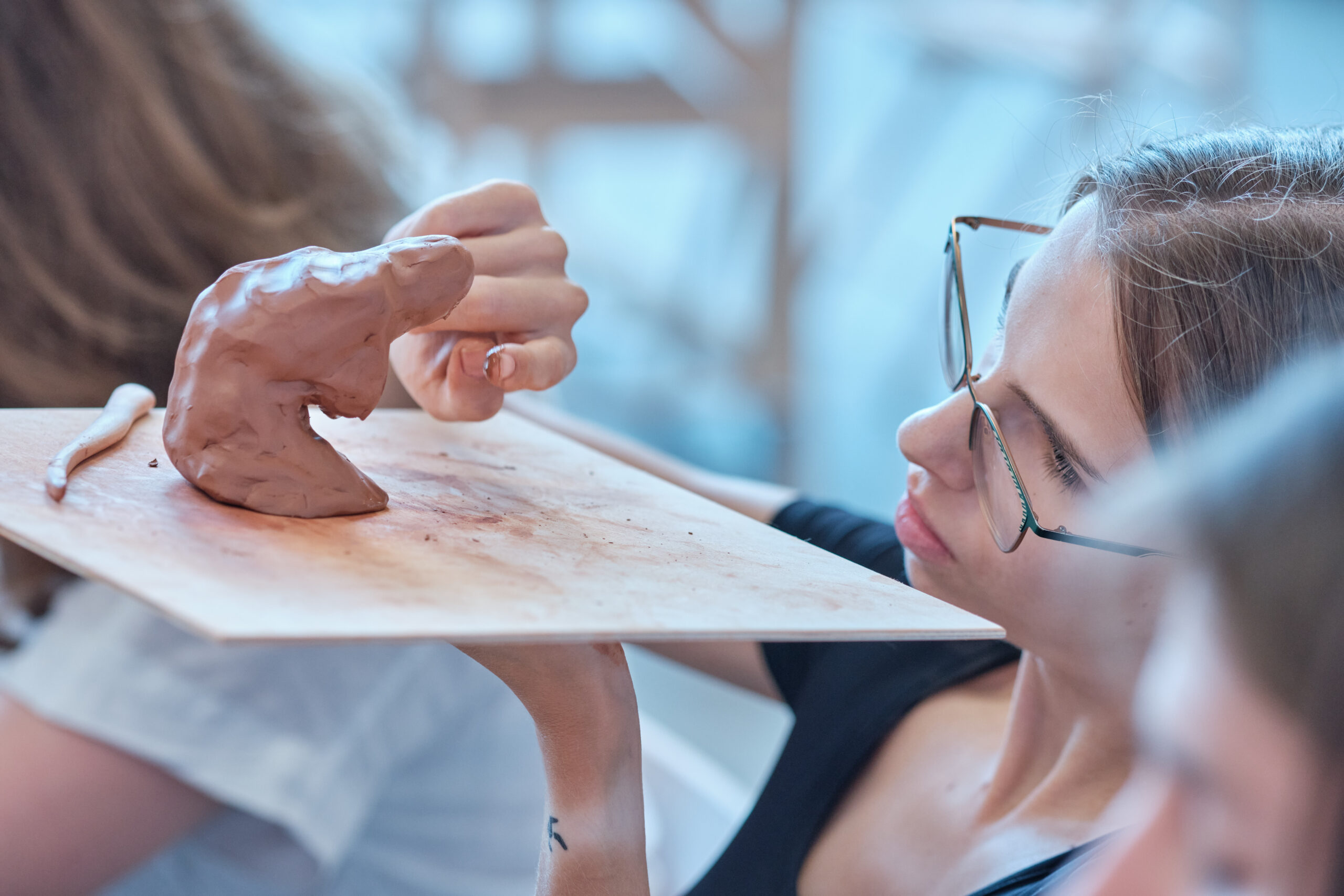
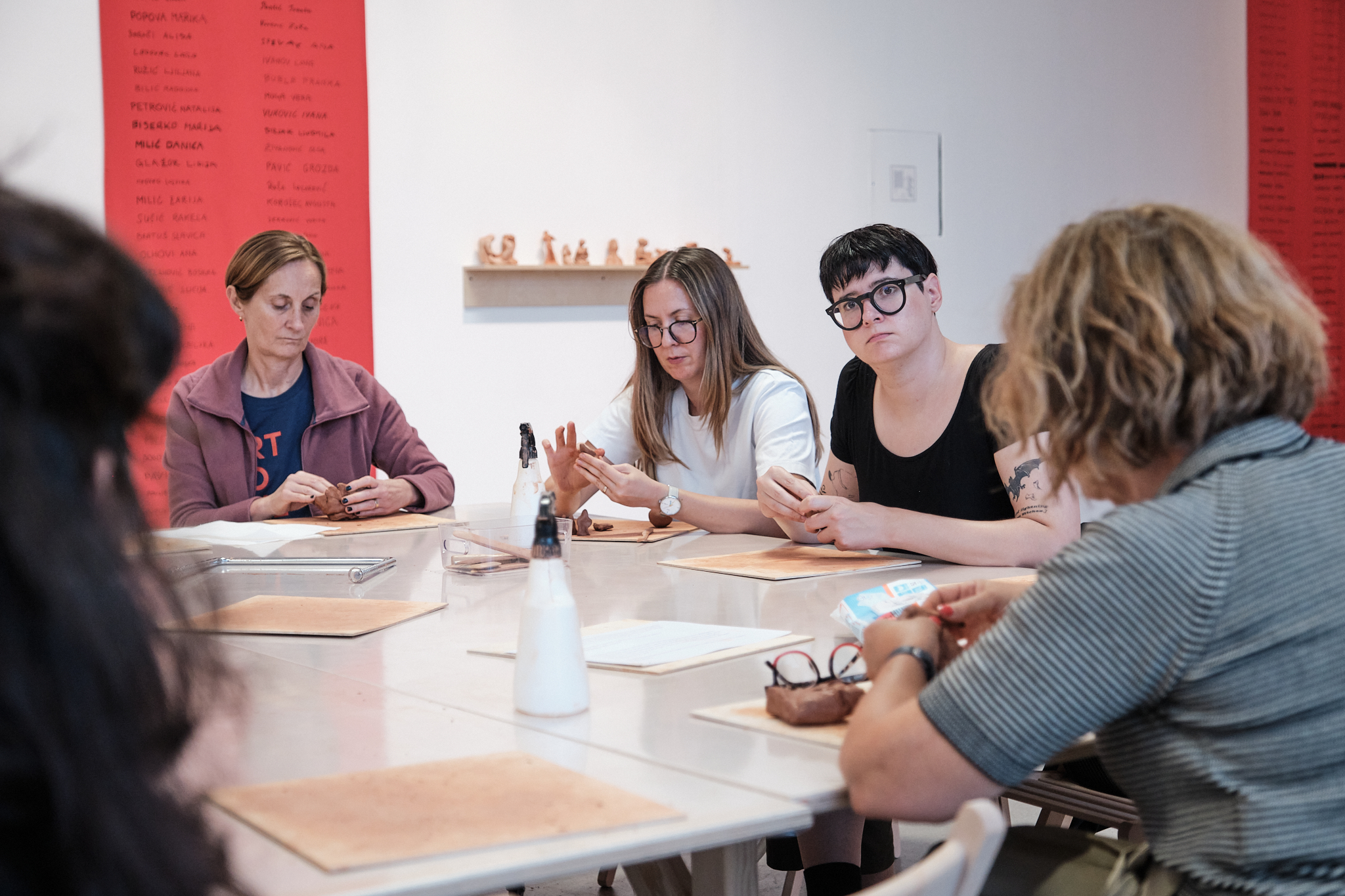
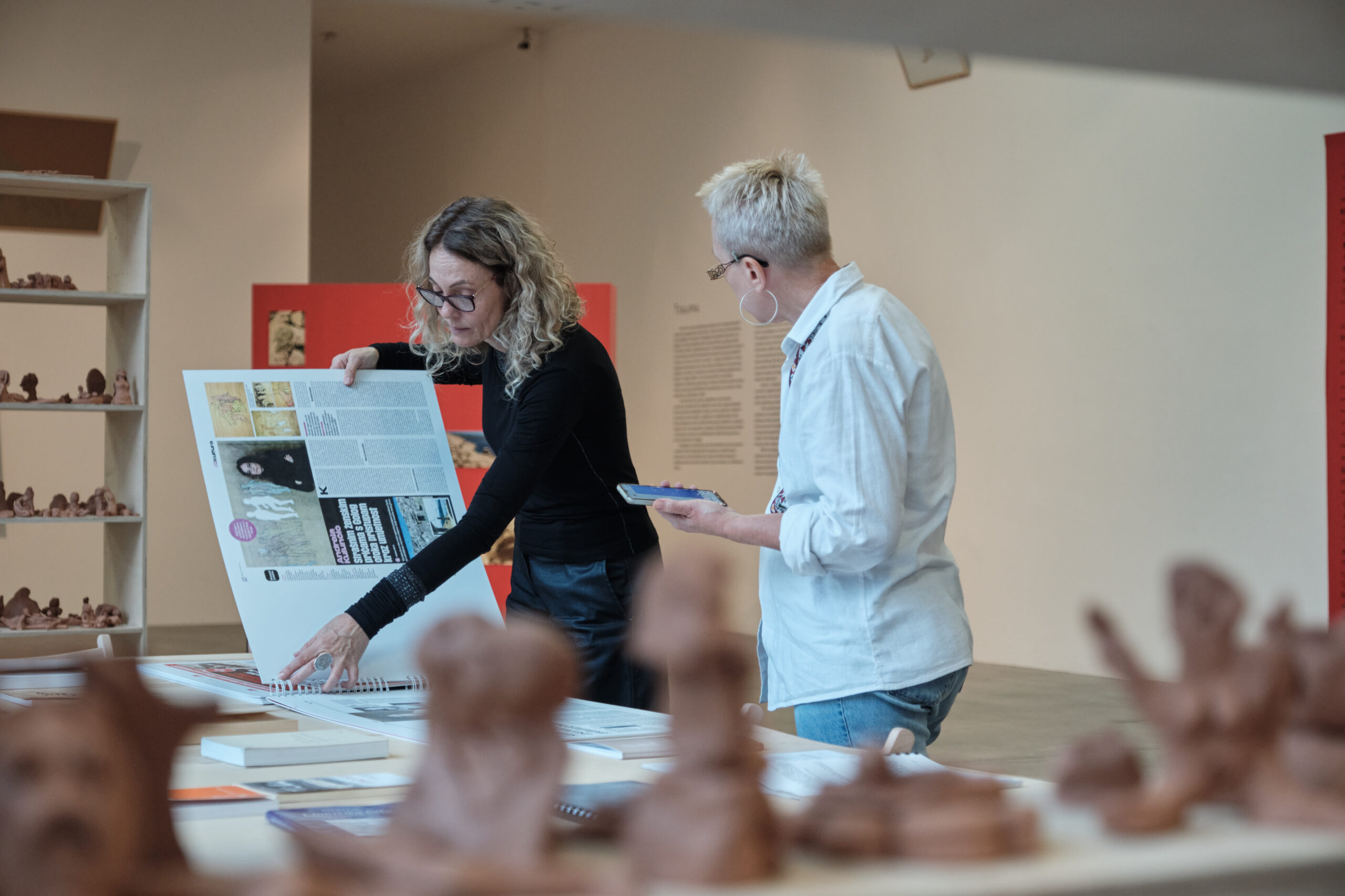
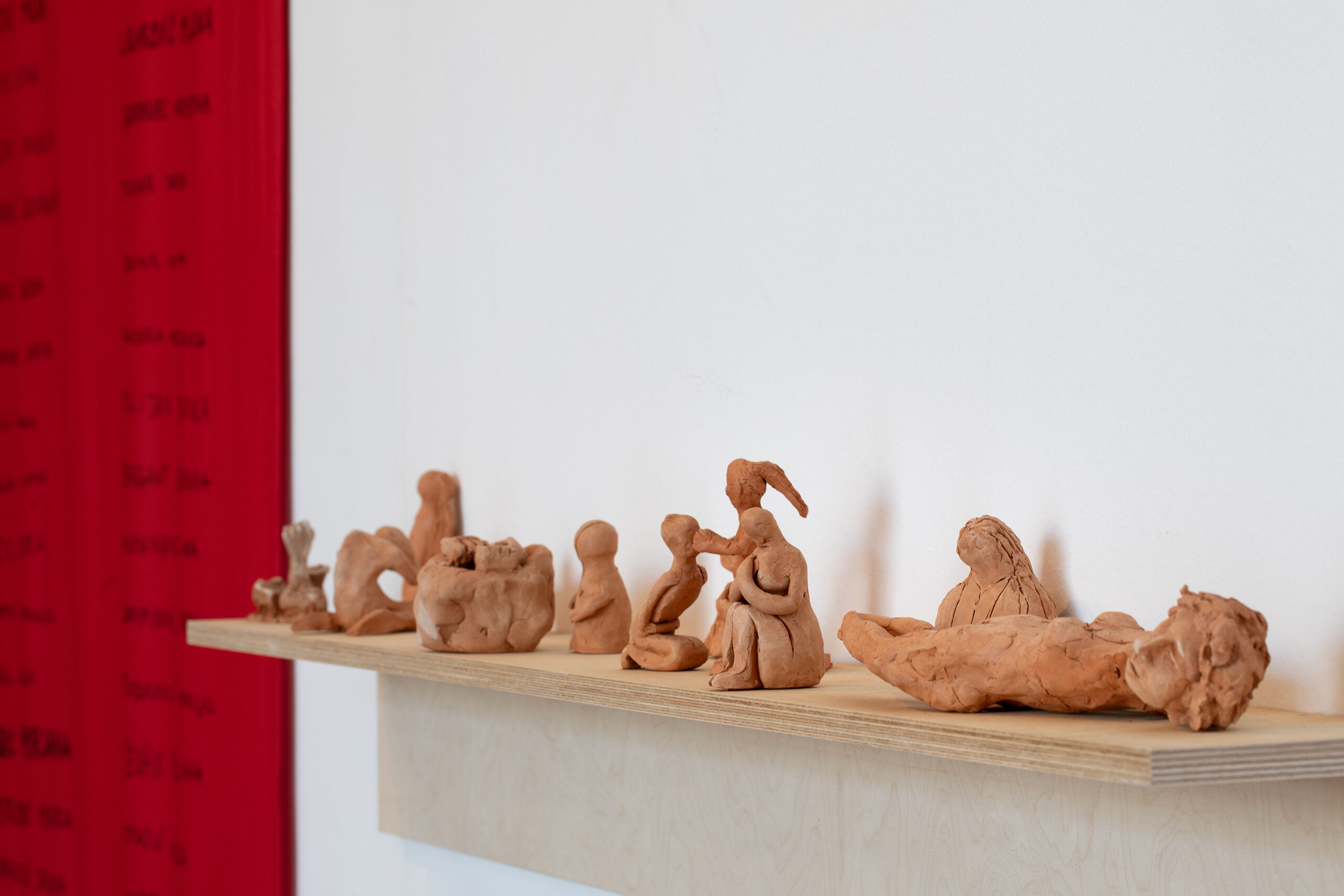
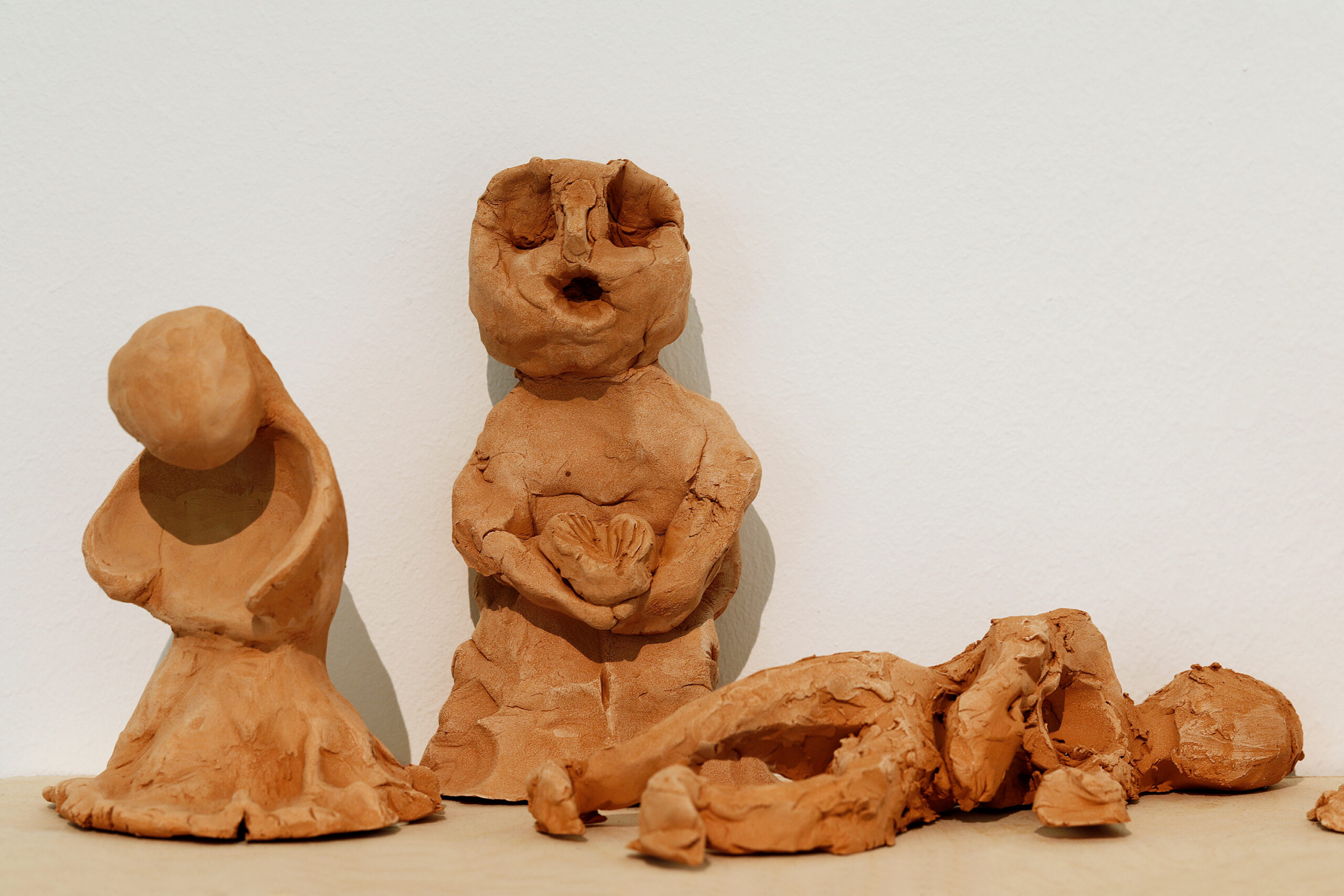
Focused on the transformation of the female body subjected to oppression and trauma, the exhibition is structured into three segments: a space for the gestural interpretation of everyday torture experienced by women on Goli Otok and Sveti Grgur, presented as a five-channel installation; a space for reflection and complementary thinking containing visual materials—drawings, photographs, and objects—developed through artistic research; and a participatory zone, activated daily by the artist through various actions developed in collaboration with the audience. Through its exhibition design and accompanying workshops, the exhibition evokes the ideas of the camp and the anti-monument as embodiments of women’s political existence in the modern era. Within the museum space, the visitor becomes a guardian of memory, a participant in the artistic process, and a witness to contingent history.
The installation of the project You Betrayed the Party When You Should Have Helped It within the exhibition To Make the World a Better Place was realized in collaboration with Documenta – Centre for Dealing with the Past, as part of the project (In)Visible Traces. Artistic Memories of the Cold War, supported by the European Union through the Creative Europe programme.